
The winter period in the AnchorUAE from November to March, and more broadly, from September to March always changes the rules of movement. The weather is milder, there are more walks, more events, and more people. And at the same time, the traffic load is growing: roads are filling up, parking lots are disappearing first, and the usual “get there fast” stops working. One thing is important here: urban mobility in winter is not luck or patience, but trip planning, time management, and constant adaptation to traffic.
Peak Hours, Traffic, And Why “Plus 20-30%” Is Not A Safety Net
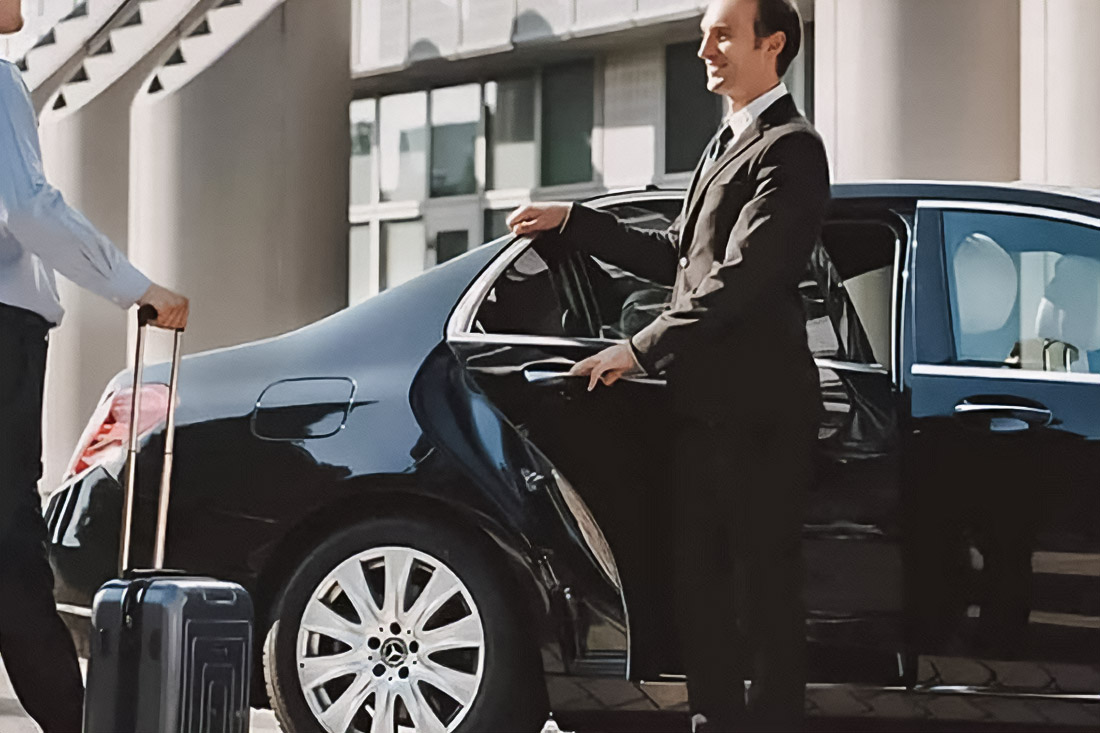
In winter, heavy traffic becomes a daily norm, especially near places of attraction and event areas. The morning rush hour stretches from 07:00 to 10:00, when tourist flows and work routes overlap each other. The evening rush hour starts early from 4 p.m. and lasts until 9 p.m., and sometimes longer due to dinners, shows, and nighttime events.
On such days, the road infrastructure is running at its limit. Congested highways slow down traffic, but secondary streets don’t help either: alternative routes quickly turn into similar bottlenecks. Therefore, temporary buffers become the basic logic. To ensure punctuality, it is reasonable to add 20-30% to the route time, and for transfers at least 15-30 minutes of reserve, so as not to run into queues, traffic jams and boarding delays.
Mass Events, Overlaps And The Effect Of “Point Overload”
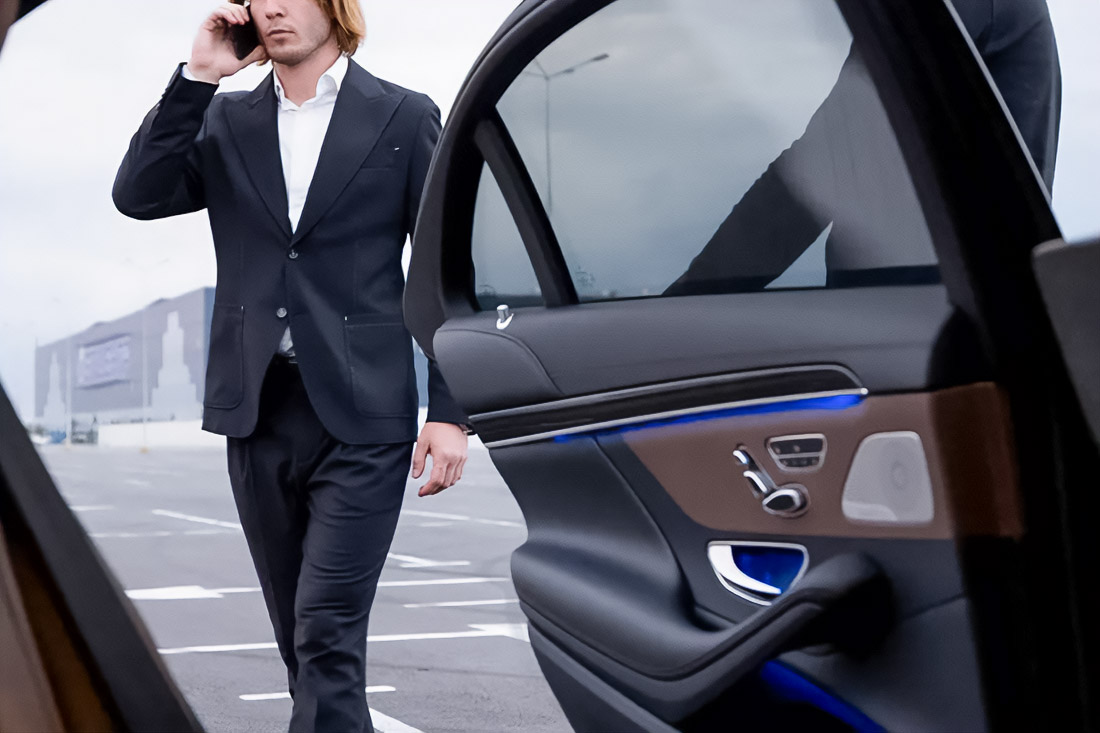
Winter events create not just traffic jams, but “point congestion” when entire areas become impassable. Mass events, festivals and holidays increase the seasonal load instantly. There are road restrictions, road closures, access restrictions, and changed traffic patterns.
At the same time, the flow of pedestrians is growing. People cross spontaneously, take photos, stop in groups, and transport accessibility drops even where the road is technically clear. Parking load becomes a separate problem: parking at popular locations can run out long before the evening, and finding a place “eats up” the schedule. The conclusion is simple: route management in winter is not about choosing a beautiful line on the map, but about constantly assessing risks and being ready to change the plan on the go.
Airports, Intercity Travel, And A Nerve-Free Customer Experience

In winter, airport logistics are felt more strongly. Waves of arrivals often occur in the evening, when traffic is already heavy and the drop-off areas are overloaded. This means one thing: transfers should be based on planning, not on hope. Time buffers, flexibility, and check-out time are important here.
Intercity travel also requires discipline. During the peak season, travel between cities becomes less predictable, especially on weekends and holidays, when the traffic load is distributed in several directions at once.
And finally, the customer experience. The comfort of the trip and the safety of passengers depend not only on the road, but also on the behavior of the driver: calm driving, avoiding aggressive maneuvers, attentiveness to pedestrians, transparent communication during delays. Managing expectations is critical here: it is better to name a realistic arrival time in advance than to promise the impossible and lose trust.
The winter season in the UAE is a time when the city lives brighter and denser. But the transport system in these months requires respect for reality. Travel planning, alternative routes, time buffers, attention to safety, and clear communication transform the chaos of peak weeks into manageable travel logistics. And then the movement becomes comfortable again, even when the maximum seasonal load is around, especially whenchauffeur service in Dubai becomes part of how people structure their timing and movement across busy areas.

Snowboarder, feminist, guitarist, Bauhaus fan and fullstack designer. Making at the junction of modernism and elegance to give life to your brand. I’m a designer and this is my work.