Winter in Dubai often sounds like a relief. The heat recedes, journeys feel more comfortable, and the city seems calmer at first glance. But in Dubai, this comfort hides another reality shaped by fog, rain, wet asphalt, and sudden drops in visibility. Road conditions change rapidly, and even experienced drivers begin to tire faster as attention and reaction demands increase.
The danger is not always loud. She’s often quiet. The grip of the tires on the road decreases, the braking distance increases, and the view narrows to an alarming corridor. In dense fog, visibility is sometimes reduced to a few meters. On such days, many people decide not to take risks. They choose not to drive themselves.
Fog And Speed: When Seconds Get Expensive
The fog makes the road unusual. It eats up landmarks. It cuts off the contours of cars. He makes you doubt the distances. When the view drops, the speed turns into a lottery. Therefore, in fog conditions, it is more reasonable to keep the pace within 40-50 km/ h. It’s not about being slow. It’s about car control.
Then the mathematics of security begins. The higher the speed, the less reaction time. The lower the visibility, the more expensive each second is. Therefore, a safe distance is important. In winter conditions, it should be increased at least twice. On wet asphalt, sudden braking easily ends in skidding. Emergency braking in fog often happens late. And late in winter is dangerous.
Lighting also affects the outcome. Fog lights and low beams help you keep your bearings. High beams in fog, on the contrary, can impair visibility due to reflection and scattering. Even a thin layer of dust can significantly reduce the effectiveness of the headlights. As a result, the driver sees less. And he’s more nervous.
Rain, Slippery Surfaces, And The Role Of Tires

Rain in Dubai doesn’t always look serious. Sometimes it’s a short drizzle. Sometimes it’s a heavy downpour. But the effect on the road is often the same. Asphalt becomes slippery, especially after long dry weather. A mixture of water and dirt appears on the surface. The grip of the tires on the road is deteriorating. The car slows down worse. The turns are getting more treacherous.
Tires decide a lot here. The minimum allowable tread depth is 1.6 mm. This is the threshold below which security begins to crumble. At the same time, for wet roads, a confident grip is usually expected closer to 3 mm. A worn tread drains water worse. Puddles add to the risk of aquaplaning. At this point, the wheels lose contact with the road. The driver feels an emptiness in the steering wheel. This feeling is remembered for a long time.
Tire pressure is also important. As the temperature decreases, it drops. Insufficient pressure impairs handling and increases braking distance. It feels stronger on wet surfaces. Therefore, checking the condition of tires becomes not a “good habit”, but a basic prevention of the risk of an accident.
Review, Discipline, And Reasons To Give Up The Steering Wheel

In winter, the driver constantly keeps several tasks in mind. Speed. The distance. Visibility. The clutch. Brakes. The behavior of neighboring cars. In this case, the glass may fog up due to condensation. Heating and ventilation help, but require attention. Wipers don’t last forever either. They are recommended to be changed every 6-12 months, even if there was little rai
visible.” But that’s how the turn signals disappear. It is more difficult for other drivers to understand the maneuver. As a result, the risk of an accident increases. There may be a 500 fine and 4 demerit points for improper use of an accident in traffic. This is another reason to behave predictably. Or not go at all.
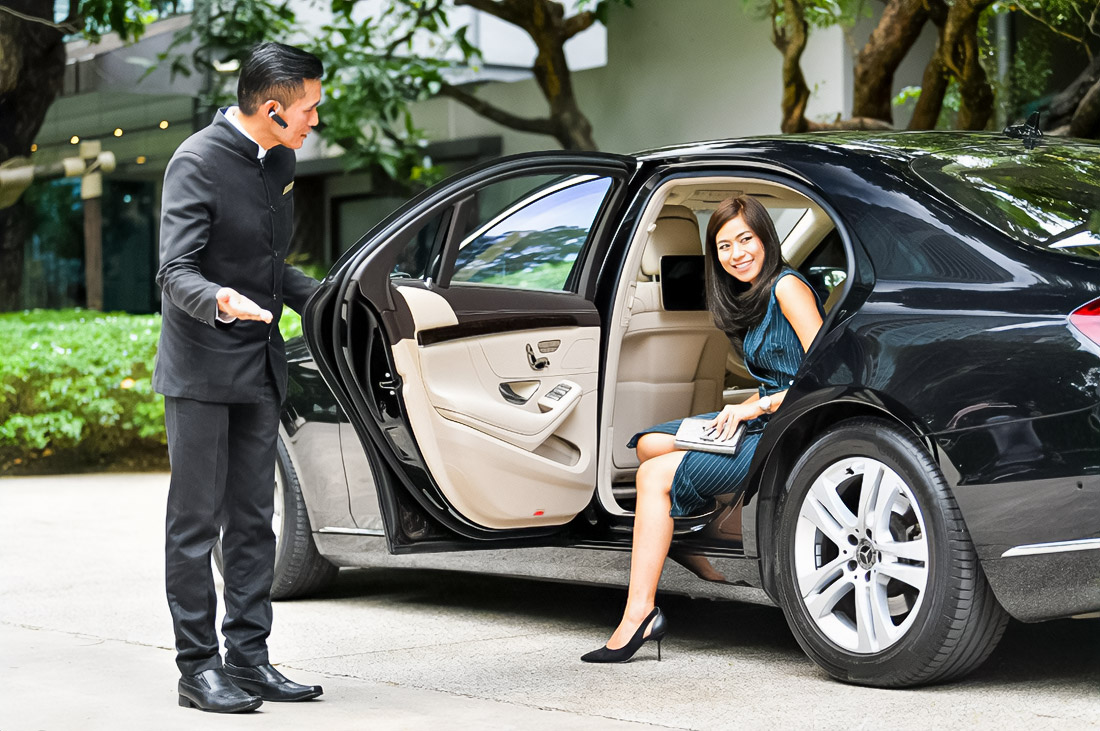
In the end, the motivation is simple. Driving becomes more stressful in winter. It requires discipline and constant monitoring. Not everyone wants to start the morning by fighting for visibility. Therefore, some residents with a Full Time Driver choose not to hold on to the steering wheel. They choose safety and tranquility.

Snowboarder, feminist, guitarist, Bauhaus fan and fullstack designer. Making at the junction of modernism and elegance to give life to your brand. I’m a designer and this is my work.