
By itself, air conditioning is neither a complete benefit nor a secret danger to pets. It all depends on exactly how the cooling system is used, what parameters are set, and how closely the owner monitors the condition of the environment.
How Pets Respond to Temperature
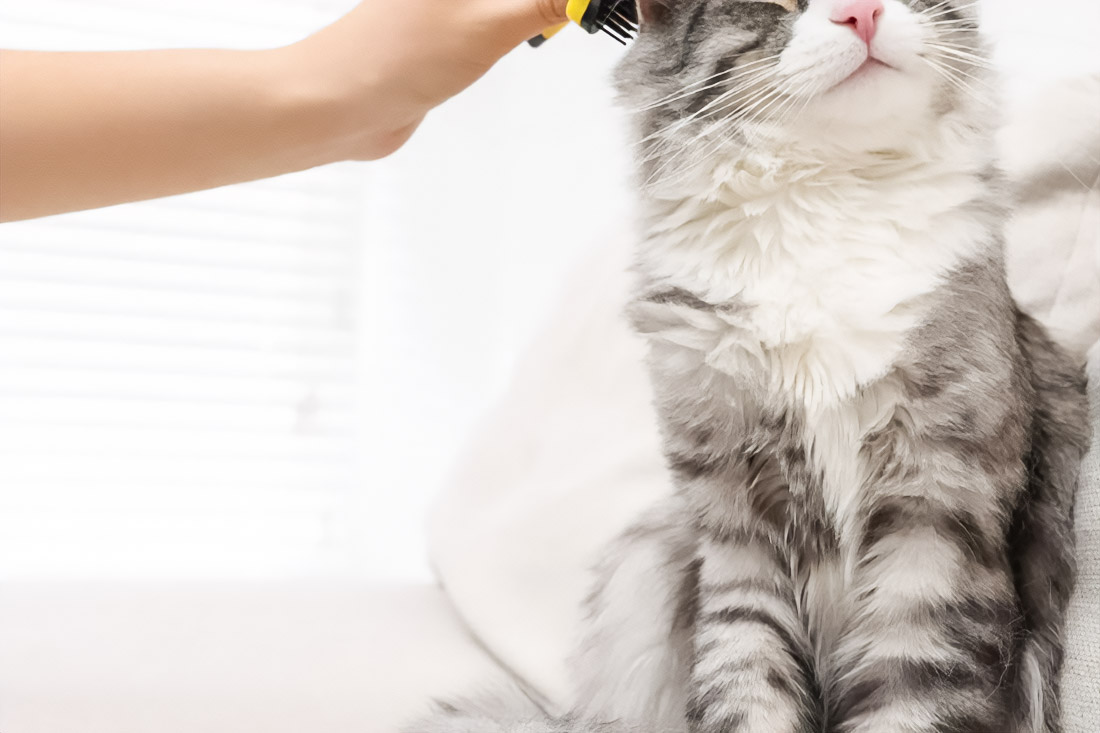
While both people and animals are sensitive to temperature changes, their thermoregulation systems function differently. They cannot effectively cool down through sweating, so overheating is often more dangerous for them than mild hypothermia. That is why, in conditions of extreme heat, air conditioning becomes not a luxury but a necessity.
However, there is a crucial disclaimer here. An animal may get uncomfortable if it is constantly exposed to a cold blast of air, especially if it is aimed directly at it. This can occasionally result in dry skin, discomfort, or even respiratory issues. Additionally, if these elements are ignored for an extended period of time, the pet’s condition may gradually deteriorate.
Finding the Right Temperature Balance

Temperature balance is a key element. Too cold is bad. Too hot is even worse. The optimal range usually lies in moderate values, where the animal’s body does not experience stress. At the same time, not only is the temperature value important, but also its stability. Sudden changes, especially when leaving a chilled room in the heat, can cause heat shock.
The Role of Humidity
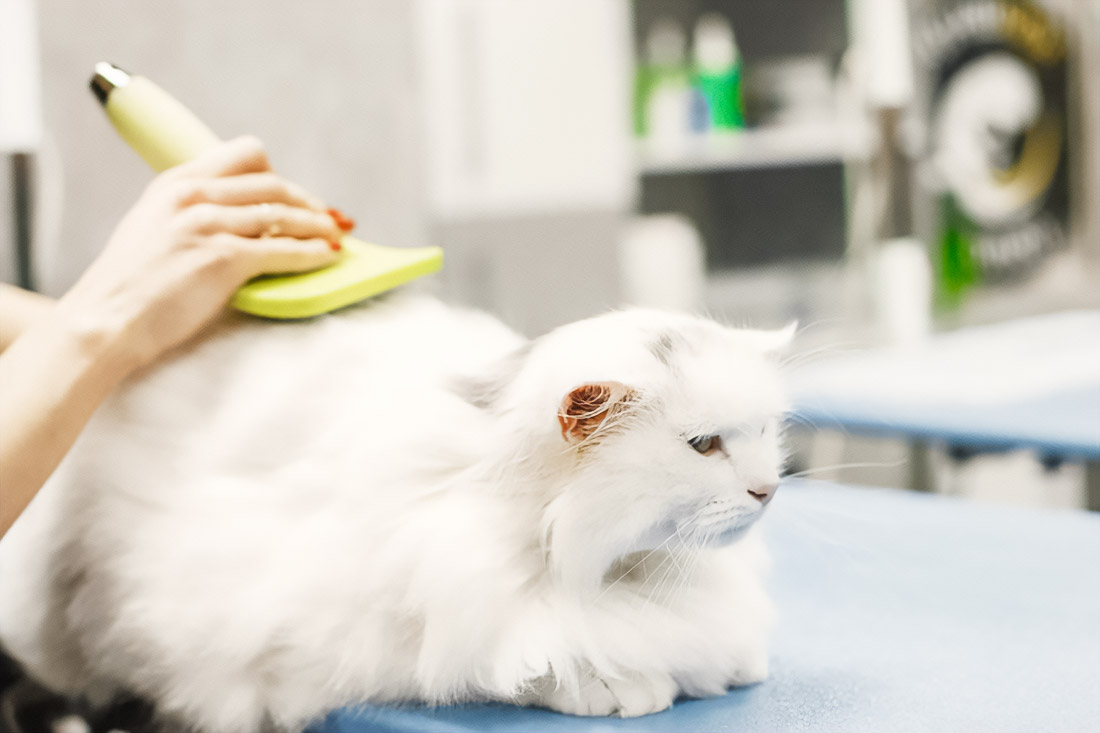
The humidity of the air deserves special attention. Air conditioners often dry out the environment, and this affects not only the skin but also the mucous membranes. As a result, itching, coughing, or a general feeling of discomfort may occur. In such conditions, additional humidification of the air becomes a reasonable measure.
Do not forget about the air quality. Air conditioner filters gradually accumulate dust, wool, and allergens. If they are not cleaned regularly, the system begins not to clean, but to spread contamination. In extreme cases, mould and bacteria can develop inside, which is directly related to health risks.
Individual Differences Matter
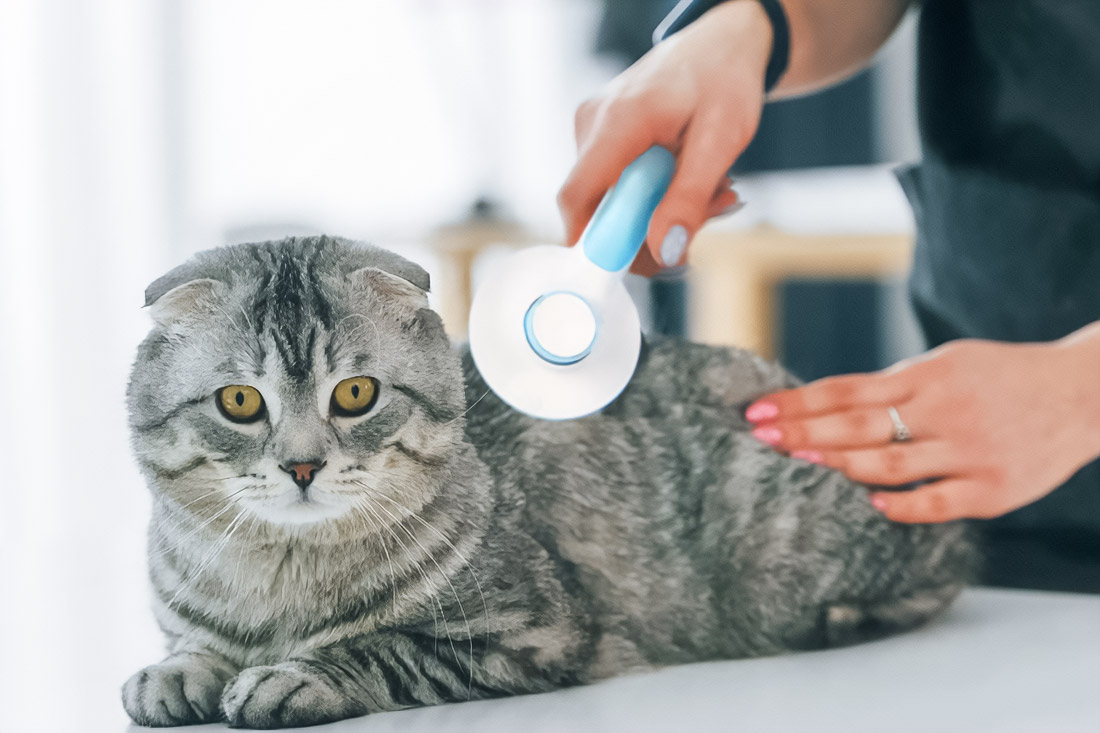
There are also individual differences. Breed, age, weight, type of coat – all this affects the perception of temperature. Animals with thick fur tolerate heat worse, and short-muzzled breeds overheat faster. Older or weakened individuals are also more vulnerable to extreme conditions.
Interestingly, temperature adaptation also plays a role. If an animal is constantly in a chilled environment, its ability to tolerate heat decreases. This makes it more dependent on the artificial climate and less resistant to external conditions.
Practical Tips for Pet Comfort
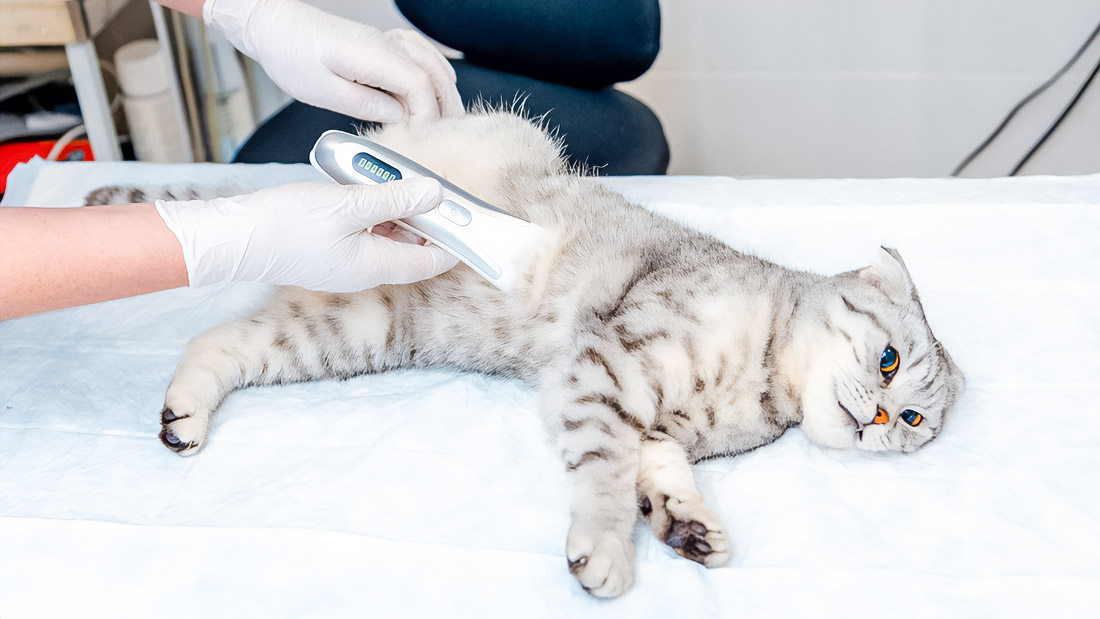
Practice shows that the best approach is balance. It is not necessary to completely abandon conditioning, but it is also unwise to abuse it. Moderate temperature, lack of direct airflow, access to water and the opportunity to move to a warmer place – these are the basic comfort conditions.
It is also important to gradually change the settings. Sudden temperature spikes are perceived by the body as stress. It is much safer to adjust the parameters smoothly by observing the reaction of the animal.
Watch Your Pet’s Behavior
Finally, pet behaviour is the best indicator. If he becomes sluggish, looks for cool or warm places, often itches or breathes heavily, this is a signal. Such signs cannot be ignored.
As a result, an air conditioner is a tool. It can both improve the animal’s living conditions and worsen them. Thoughtful use, combined with good habits like regular grooming and mindful pet care Dubai, ensures your pet stays healthy, comfortable, and well cared for.

Snowboarder, feminist, guitarist, Bauhaus fan and fullstack designer. Making at the junction of modernism and elegance to give life to your brand. I’m a designer and this is my work.